

How To Clean Out Stock Intercooler 87 Turbo Buick
| Turbo Purple Buick Spring Cleaning Guide |
| kenmosher@turbo-link.com |
| |
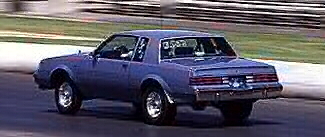 Believe it or not, Spring is just around the corner, and with information technology comes the first foray to the runway. Now is the fourth dimension to practise some of the bones chores necessary to ensure a trouble free year of Jump/Summer/Fall fun. Believe it or not, Spring is just around the corner, and with information technology comes the first foray to the runway. Now is the fourth dimension to practise some of the bones chores necessary to ensure a trouble free year of Jump/Summer/Fall fun. First, let'southward become the materials we demand to do this bones maintenance. Go the following items: |
| Trip to the Parts Store Urrrr, Urrrrr, Urrrrr! |
... to quote Tim Allen on "Tool Time". The items listed beneath are found at nearly auto parts stores and many disbelieve type stores. I personally like to store Western Auto considering they carry nigh everything I need without my having to run all over town to get things.
|
| Getting "Oil" Worked Upwardly |
 Starting time by doing the simple things first, like changing the oil. A good exercise is to alter the oil every 2500 or 3000 miles or half dozen months (whichever comes first). Jack the automobile up, using the manufacturer's recommended jacking procedures and support the front of the auto on jack stands or a proficient fix of ramps. If y'all are using ramps, make certain yous are using the type with the extra back up on the sides to tie the dorsum of the ramp and the front end of the ramp together. This avoids potential collapse of the ramp. Drain the oil and remove the oil filter. Reinstall the drain plug. Make sure that when reinstalling the oil filter that you lot glaze the safety "O" ring on the filter with new oil to ensure that information technology will tighten correctly on the filter housing on the engine. It is also a good thing to fill the filter with equally much oil as you can to help avert a dry restart. Fill the engine with oil. Starting time by doing the simple things first, like changing the oil. A good exercise is to alter the oil every 2500 or 3000 miles or half dozen months (whichever comes first). Jack the automobile up, using the manufacturer's recommended jacking procedures and support the front of the auto on jack stands or a proficient fix of ramps. If y'all are using ramps, make certain yous are using the type with the extra back up on the sides to tie the dorsum of the ramp and the front end of the ramp together. This avoids potential collapse of the ramp. Drain the oil and remove the oil filter. Reinstall the drain plug. Make sure that when reinstalling the oil filter that you lot glaze the safety "O" ring on the filter with new oil to ensure that information technology will tighten correctly on the filter housing on the engine. It is also a good thing to fill the filter with equally much oil as you can to help avert a dry restart. Fill the engine with oil. Be sure to detach the orange wire up past the battery before starting the engine after you change the oil. After disconnecting the wire, crank the engine over for 30-45 seconds to build oil pressure and to fill up the oil filter with oil. Reattach the wire and start the car. This prevents starting the car with dry bearings. Also, replace the PCV valve at this time. Use the Air conditioning type OEM valve, since there take been people reporting issues with other brands of PCV valves. Well-nigh of these problems take to practice with emissions tests, which we in Nebraska are not subject to, but it isn't worth saving a couple pennies to skimp on the cheapo PCV valve. |
| Changing Our Shiftless Means |
 At that place are several expert filter kits for the 200-4R transmission available. I've always had adept luck with the Fram FT1057B kit. Remove the pan from the manual advisedly. It is going to be heavy, so don't try to suspend information technology with just ane or 2 bolts on one edge, since that is a leading cause of bent pan track. Bent pan rails usually will leak or seep, so be sure to treat the pan gingerly. Inspect the within of the pan after draining the fluid. A small amount of black powder is a normal. Large amounts may betoken that the fluid has non been changed in a long while or may be an indication of the need for a rebuild. At that place are several expert filter kits for the 200-4R transmission available. I've always had adept luck with the Fram FT1057B kit. Remove the pan from the manual advisedly. It is going to be heavy, so don't try to suspend information technology with just ane or 2 bolts on one edge, since that is a leading cause of bent pan track. Bent pan rails usually will leak or seep, so be sure to treat the pan gingerly. Inspect the within of the pan after draining the fluid. A small amount of black powder is a normal. Large amounts may betoken that the fluid has non been changed in a long while or may be an indication of the need for a rebuild. Scrape off all backlog gasket textile and ensure the new pan gasket lays into place. Remove the filter and brand certain the condom "O" ring on the filter cervix comes out of the transmission with the filter. If yous don't encounter information technology, you lot may accept to fish around up in the neck to discover it and remove it. You lot may have to use a modest screwdriver or a scratch awl to pry information technology out. Install the new filter, ensuring that a new "O" ring is in place. Reinstall the pan and pan gasket, being careful to ensure that the gasket is perfectly aligned and not pinched anywhere. Be careful not to over-tighten the pan bolts when reinstalling the pan, since it tin can warp the gasket sealing surface and cause leaks. Now, add 4 quarts of fluid via the dip stick tube. I find that a transmission funnel helps this process alot. The funnel has a flexible hose that goes into the dipstick pigsty and allows y'all to agree the funnel at a more than convenient angle for pouring. Put the motorcar in PARK and start the engine, slowly add fluid until you lot reach the full mark on the dipstick. Remember to add the fluid slowly and check the dipstick often to ensure that y'all don't overfill. When I remember I'm close to full, I ordinarily go for a brusk drive around the block to allow things to circulate and warm up and then bank check the fluid level once again and add as necessary. While yous have the pan off is a skillful time to install a bleed plug in the pan. These plugs are available from many sources, including mail order places such as ATR and concatenation automobile parts stores like Super Shops and Champion Automobile. Only follow the directions on the package to install. This allows you to change fluid more frequently without all the mess and hassle of dropping the pan each time. However, every other fluid change you should drib the pan and install a new filter. Information technology's a skillful idea to use JB Weld or black RTV to seel the edge of the filter where the metal part meets the plastic. Seal all effectually the edge and Brand SURE THAT IT IS COMPLETELY DRY earlier reinstalling. This helps prevent aereation of the fluid under hard acceleration. |
| Gearin' Upwards |
 Pull the back comprehend off the rear end carefully, making sure to just crack the bottom of the cover loose from the housing to let the fluid drain commencement. This is a good hazard to inspect the condition of the gears and C clips. Await for unusual wear patterns on the gears or metal shavings. Pull the back comprehend off the rear end carefully, making sure to just crack the bottom of the cover loose from the housing to let the fluid drain commencement. This is a good hazard to inspect the condition of the gears and C clips. Await for unusual wear patterns on the gears or metal shavings. Once the lube has drained completely (pretty foul smelling stuff, huh?), apply a new gasket and a thin coating of RTV to reattach the encompass. Make sure non to over torque the bolts to avoid bending the encompass mating surface and causing eventual leaks. Refill the rear end via the make full plug located on top of the front rider's side of the differential housing. Fill up the rear until the fluid is only below the fill plug hole. It is normally necessary to do this by feel. Overfilling tin result in leaks around the axle seals, then exist sure to stop just shy of the fill up hole. To make the fluid easier to handle on a cold solar day, prepare the bottle of fluid in a tub or sink of hot water for x-15 minutes before filling the differential. This makes the fluid pour much easier. Yous tin use a turkey baster to put the fluid in the fill up plug, simply I prefer to get one of the little $iii pumps they sell at the machine parts stores. They work well and are inexpensive enough to exist disposable (although they can be used several times if yous want). While you lot take the comprehend off is a skillful fourth dimension to install a bleed plug. The aforementioned plug equally used in the transmission pan can be used here. Again, this allows much easier fluid changing and doesn't involve pulling the cover every fourth dimension. In fact, you lot may never have to pull the encompass again, simply drain the fluid via the bleed plug. |
| Fuelin' Effectually |
 The fuel filter is a vital part of making sure that your turbo Purple remains healthy. It is located on the driver's side in forepart of the rear wheel and is attached to the inside of the frame rail. Before loosening the fittings to the filter, be sure to relieve the pressure in the arrangement by means of the front examination port on the front of the fuel rail. The worst burn chance in the globe is fuel spraying out under pressure level in a fine stream. The fuel filter is a vital part of making sure that your turbo Purple remains healthy. It is located on the driver's side in forepart of the rear wheel and is attached to the inside of the frame rail. Before loosening the fittings to the filter, be sure to relieve the pressure in the arrangement by means of the front examination port on the front of the fuel rail. The worst burn chance in the globe is fuel spraying out under pressure level in a fine stream. In one case pressure has been relieved, loosen the filter, noting the management of the pointer stamped on the outside of the filter. The pointer is pointing to the front of the car, and then brand sure that your new filter is installed in the same manner Be sure all connections are leak free and tight before turning on the cardinal and pressurizing the system. As far as fuel pressure goes, exist sure to check it periodically under load at Wide Open Throttle (WOT). A healthy stock pump should exist able to deliver 53-55 psi of fuel force per unit area at 17-18 psi of boost. This can exist checked past attaching a fuel pressure judge to the fuel rail connection and taping it to the windshield. Have a friend notice fuel pressure as y'all bulldoze and under WOT. 60-70 psi is desirable for mid-12 and faster cars, and will require an auxiliary pump or modified in-tank pump plus a Fuel Enhancer or "hot wiring" to achieve these pressures. The Bosch 237 regulator will provide extra fuel force per unit area and was available on Sommerset Regals. Yet, the cost of an adjustable fuel force per unit area regulator is not that much more than expensive and is well worth it in terms of giving you adaptability. There are several sources for adjustable fuel pressure regulators, including ATR, Cotton fiber's Performance, Modernistic Muscle, Ron's Custom Auto, Conley's Performance Plus etc. |
| Sparks in Your Eyes |
 To change the plugs in the turbo cars, be certain to use extra intendance to pull the plug wires off the plugs *BY GRIPPING THE Kicking ONLY*. Pulling on the wire volition virtually likely result in pulling the wire out of the metal spark plug connector. Many machine parts stores sell plug wire pliers that make gripping the boot easier. Information technology is a good idea to change your plug wires every 24,000 miles or and then. I personally change them every season, since they are inexpensive and available locally. Plug wires should be of the spiral wound stainless steel wire and silicone insulation type. They should be vii.5-8.v mm in diameter. When changing the wires, be sure to audit the last posts on the ringlet pack for pitting, carbon streaks, and corrosion. Loose fitting wires can cause all of these problems due to the voltage arcing causing pitting and carbon streaks and trapping moisture causing corrosion. Have a small slice of fine metallic sand paper and use it to polish the terminals to a bright shiny advent. Next put a small amount of dielectric (tune up) grease on each terminal and within each plug wire connector. Do the same for each plug wire boot and spark plug tip. This will prevent moisture, corrosion, and pitting in the futurity. To change the plugs in the turbo cars, be certain to use extra intendance to pull the plug wires off the plugs *BY GRIPPING THE Kicking ONLY*. Pulling on the wire volition virtually likely result in pulling the wire out of the metal spark plug connector. Many machine parts stores sell plug wire pliers that make gripping the boot easier. Information technology is a good idea to change your plug wires every 24,000 miles or and then. I personally change them every season, since they are inexpensive and available locally. Plug wires should be of the spiral wound stainless steel wire and silicone insulation type. They should be vii.5-8.v mm in diameter. When changing the wires, be sure to audit the last posts on the ringlet pack for pitting, carbon streaks, and corrosion. Loose fitting wires can cause all of these problems due to the voltage arcing causing pitting and carbon streaks and trapping moisture causing corrosion. Have a small slice of fine metallic sand paper and use it to polish the terminals to a bright shiny advent. Next put a small amount of dielectric (tune up) grease on each terminal and within each plug wire connector. Do the same for each plug wire boot and spark plug tip. This will prevent moisture, corrosion, and pitting in the futurity. A handy detail to use in this task is a long (xviii"-24") extension bar and a spark plug socket with the universal joint on the cease. These items are bachelor at Sears and greatly simplify plug changing. Besides handy are the plug boot puller tools that look similar a funny set of pliers and grip the boot of wire to aid in pulling the wire off the plug without pulling the wire out of the boot. All these tools are besides handy items when checking plugs on a hot engine after a run, since you don't need to have your hands downwards next to those hot exhaust headers. I recommend an Ac CR43TS plug for mid 12 and slower cars and the Ac CR42TS for faster cars... either should be gapped at a tight 0.035". If yous run into fouling with the 42s, go back to the 43s. |
| Don't Accident Your Cool |
 It is likewise a proficient idea to annually pull the intercooler out of the car and perform a thorough cleanup both inside and out. To remove the intercooler, remove the intake tube and loosen the hose clamps that adhere the intercooler to the turbo outlet. Wiggle the hose away from the intercooler as far every bit possible. It is likewise a proficient idea to annually pull the intercooler out of the car and perform a thorough cleanup both inside and out. To remove the intercooler, remove the intake tube and loosen the hose clamps that adhere the intercooler to the turbo outlet. Wiggle the hose away from the intercooler as far every bit possible. Next, remove the front end scoop by undoing the little screws that adhere the housing to the intercooler. Then undo the two 10mm bolts on the passenger's side and the one 10mm bolt on the driver's side. The last commodities is on the underside of the intercooler on the passenger's side. Then carefully lift the intercooler out of the car. Once the intercooler is out of the car, y'all can begin the cleanup process. First, spray an entire tin can of the oxygen sensor rubber carb cleaner into the intercooler. Do this in a well ventilated expanse! "Slosh" the fluid around in the intercooler for several minutes. Then dump the fluid out and repeat until the resulting fluid is clean. One time it is clean, I normally go to the car wash and use the high pressure washers to clean the fins and the exterior of the intercooler. This removes the road grime, bugs, etc. from the fins and ensures that the intercooler has proficient air flow. Be certain to be careful non to curve or crush the fins when using the high pressure washer. You can also employ the LOW pressure setting on the washer to rinse out the inside of the intercooler. This will remove any residuum left from the carb cleaner. Finally, I like to accept my Wet/Dry out Store Vacuum and duct record the hose to the intercooler tube. I then tape a thin shop rag over the other tube and allow the vacuum run for an hr or so with the intercooler in the inverted position. This will remove about of whatsoever remaining moisture from the intercooler. Reinstall the intercooler and intake tube. Now is a good fourth dimension to set your Throttle Position Sensor (TPS). The TPS is the little gadget on the passenger side of the throttle body that tells the ECM the bending of the throttle blade. It attached by two screws in a slots that let yous to tilt and change the angle of the sensor. The easiest way to accommodate the sensor is to find someone with a scan tool and adjust for 0.42-0.44 volts at idle and 4.75-4.9 volts at WOT. Be careful working effectually the TPS because the little gyre pin that rests against the throttle is delicate and can be easily aptitude or cleaved if a rag catches information technology. Now is too a skilful fourth dimension to bleed your coolant and do a cooling organization affluent. Exist sure to check out the new environmentally safe coolants now available. |
| Now that all that is done, the machine is mechanically ready for a new year of fun! Also, it is ready to have the Recipe practical to information technology and make it a comfortable, reliable, streetable 12 (or fifty-fifty ten or 11) 2d screamer. Then, practice your Spring Cleaning and so savour the new year's day! |
 *** TIP ***
Source: https://www.gnttype.org/maint/basics.html
Posted by: gonzalezaustens.blogspot.com
0 Response to "How To Clean Out Stock Intercooler 87 Turbo Buick"
Post a Comment